Intro to Handgun Safety
Two hours. No experience required. No equipment required.
Intro to Handgun Safety is built for people who have never handled a firearm, or who own one and haven't trained with it yet. You'll leave knowing how to handle a handgun safely - how to hold it, load it, store it, and treat it with the respect it requires.
There's no maximum class size, which means no pressure to keep pace with anyone else in the room.
$60
2 Hours
What You'll Walk Away With
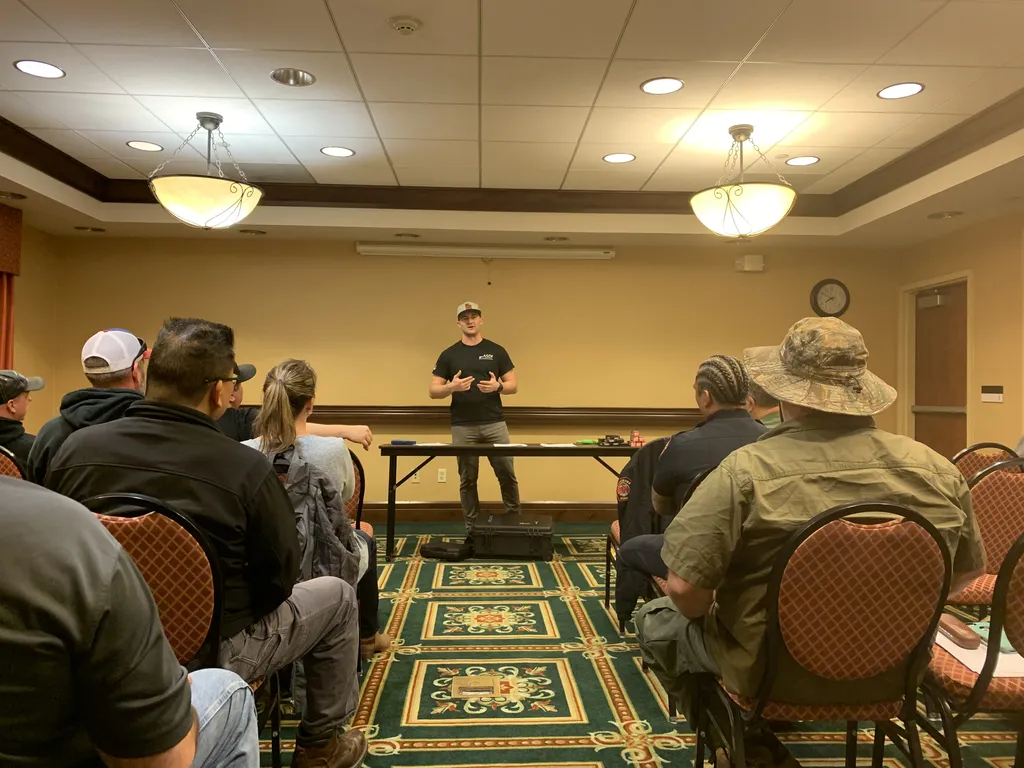
By the end of this class, you'll be able to:
Handle a handgun safely, following the same fundamental safety rules used by experienced shooters
Load, unload, and safely store a handgun
Understand basic handgun mechanics - how it functions and why that matters for safety
You'll also come away knowing the most common mistakes new owners make, and exactly what to ask next - whether that's about buying your first firearm or continuing your training.
This class won't turn you into an expert marksman in two hours, and it isn't meant to. It's meant to remove the fear and uncertainty that keep a lot of new owners from ever training at all.
Who This Class Is For
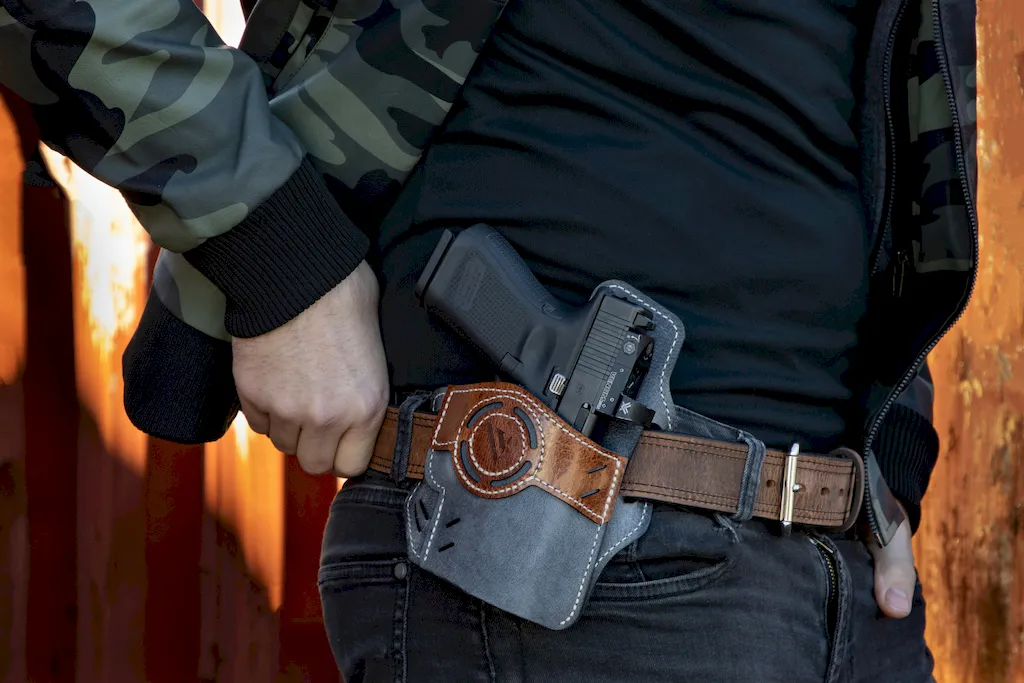
You just bought your first firearm and haven't fired it yet
You own a firearm - maybe it's been in a drawer for years - and have never had formal instruction
You feel nervous or unsure around firearms and want to start somewhere low-pressure
This class also works well if you're still deciding whether to buy, or if a partner or family member owns firearms and you want to understand safe handling yourself.
This class is not designed for experienced shooters looking to refine specific skills. If you've already completed a class like this or a CCW course, the Building Confidence Workshop is a better next step. Already comfortable with the basics and just need to get certified? Concealed Carry Certification is the class you want.
Class Overview
The class runs two hours and covers safe handling from the ground up - starting with the core safety rules, then moving into hands-on practice with loading, unloading, and basic handling under direct instruction.
Because there's no maximum class size, questions are welcome throughout, and pacing adjusts to the room rather than a fixed script. This is a foundational class, not a marksmanship course - the goal is comfort and safety first.
Why Beginners Choose Summit
Firearms training here starts with a different question than most beginner classes: not "how do I shoot well," but "how do I avoid ever being in a situation where I need to." That framing shapes everything, including this first class - the goal is a student who feels safe and capable, not one who's been rushed through range basics.
You'll also be learning from Chandler Newsome, who has taught close to 10,000 students, including a decade of concealed carry instruction in Arizona and Utah. This class is often the first step - from here, students who want to carry legally typically pursue CCW certification next, then the Building Confidence Workshop or Private Instruction (coming soon) once they're ready to build proficiency. Membership is there too, for anyone who wants to keep learning between classes.
What to Bring
Firearm and ammunition
Bring your own if you have them - neither is required for this class
Eye and ear protection
Available on-site; bring your own if you prefer
Clothing
Closed-toe shoes and comfortable clothing recommended
Frequently Asked Questions
I've genuinely never touched a firearm. Will I feel out of place?
No. This class exists specifically for people in that position. There's no maximum class size, so there's no pressure to keep up with more experienced participants.
Is this a concealed carry class?
No. This is a foundational safety and handling class. If you're looking to get legally certified to carry, Concealed Carry Certification is the class you want. Already have your CCW and want to build on those skills? The Building Confidence Workshop is the better fit.
What if I'm still nervous even after signing up?
That's normal, and it's exactly what this class is designed for. The pace and format are built around reducing that nervousness, not pushing past it.
Book Your Spot
Two hours is enough to leave with real, usable safety knowledge - and a clear sense of what training to pursue next, when you want to keep going.